Top 32 AI marketing tools your business need in 2026
The 32 best AI marketing tools to help your business stay ahead of the competition in 2026. Read more at Best AISO!

My name is Suresh. I’m an AI-powered marketing professional based in India. I have over 15 years of experience working in online marketing. I am passionate about technology, entrepreneurship and writing. I am currently exploring AI search and marketing strategies. Read more on Suresh.tech and Aiso.blog.
Major global brands like Netflix, Amazon, and Starbucks use artificial intelligence (AI) to streamline operations, hyper-personalize customer experiences, and run creative marketing campaigns.
AI marketing tools automate repetitive tasks, multi-channel content creation, analyze large datasets for predictive insights, and personalize customer experiences on a large scale.
These intelligent platforms transform day-to-day operations by shifting workloads from manual execution to real-time, data-driven optimization.
New AI marketing tools are constantly launching. Many of them overpromise, and choosing the wrong one can waste your budget and rollout time.
For the past five years, I've constantly tested and used different AI tools in my marketing stack.
What is an AI marketing tool?
An AI marketing tool is a software platform that uses artificial intelligence to plan, create, run, and measure marketing work that was previously done manually.
These tools can generate copy, design visuals, schedule posts, score leads, and identify patterns in customer data.
The Power of AI Marketing Tools: What's Possible in 2026
| Category | Business Objective | Business Use Cases |
|---|---|---|
| Content & Generative AI | Accelerate creative production | Writing blog posts, drafting ad copy, generating brand-aligned visuals. |
| Predictive Analytics | Forecast behavior and outcomes | Scoring leads, predicting customer churn, optimizing campaign launch times. |
| Workflow Automation | Coordinate cross-channel campaigns | Scheduling social posts, triggering automated email sequences, managing digital assets. |
| Targeting & Paid Media | Improve ad visibility and ROI | Programmatic ad buying, smart budget allocation, dynamic audience segmentation. |
This Best AISO guide breaks down the top AI business marketing tools, curated by category: content writing, social media, marketing automation, image and video creation, SEO optimization, and analytics and insights.
Disclosure: This article may contain affiliate links, which provide compensation to Best AISO at no additional cost to you if you purchase a paid plan. This site is not intended to provide financial advice and is for entertainment purposes only. You can read our affiliate disclosure in the disclaimers section.
Best AI marketing tools for content writing (6 AI tool options)
AI marketing tools generate long-form marketing content, such as blog posts, articles, and product pages, while adhering to brand guidelines. These tools handle the first draft, and editors then revise it for accuracy, tone, and structure before publishing.
ChatGPT
ChatGPT is a general-purpose AI assistant from OpenAI that drafts copy, brainstorms angles, and researches topics across almost any marketing task.
It works as a flexible AI chat partner, and two of the three top competing articles list it, which reflects how many marketers now start their first draft here.
Pros
Extremely versatile across writing, research, and ideation
Fast, familiar, and low friction to adopt
Business plan adds shared workspace and admin controls
Broad AI capabilities thanks to machine learning
Cons
Not marketing-specific, so no brand-voice memory out of the box
Needs careful prompting and fact-checking for published work
Pricing plans: Plus is \(20/month per person. The Business plan runs \)25/user/month billed annually (or $30 monthly), minimum two users.
Who is it for: Individual marketers and teams who want one flexible assistant for drafting, research, and quick ideation across every channel.
Link: https://chatgpt.com/
Hemingway Editor
Hemingway Editor App is a writing-clarity tool that flags dense sentences, passive voice, and hard-to-read passages, and its newer AI features rewrite them on request.
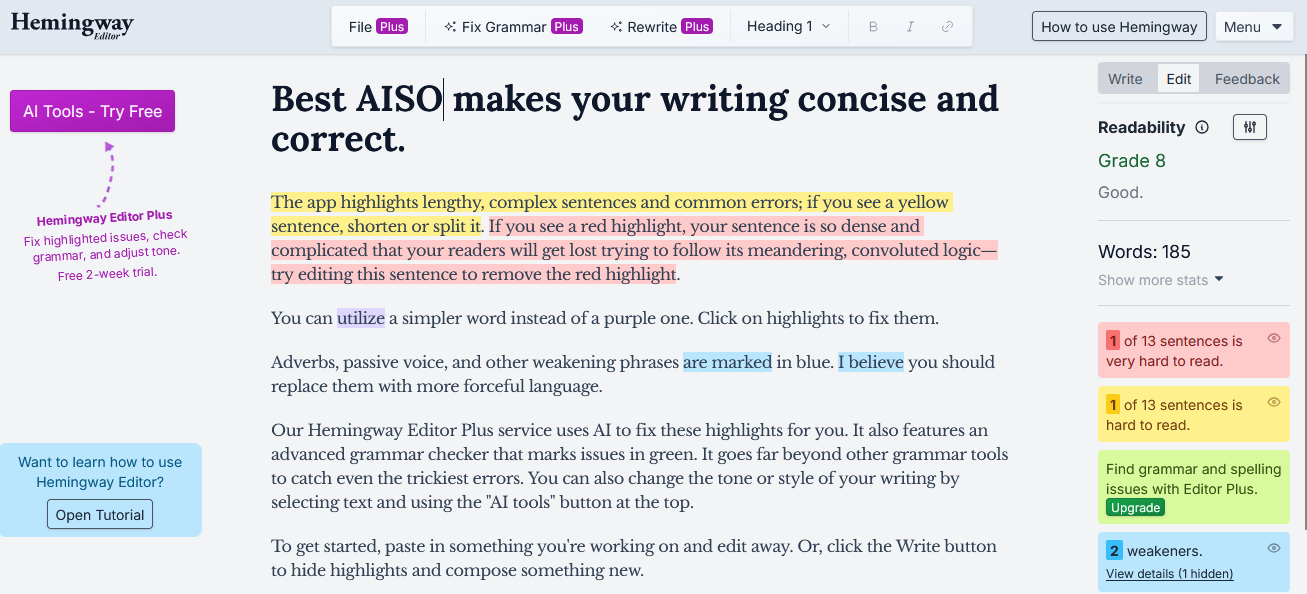
It promotes itself as the editor that makes your writing bold and clear, aimed at tightening marketing copy before it ships.
Pros
Instantly surfaces readability problems
Simple, distraction-free interface
AI rewrite suggestions for flagged issues
Cons
Narrow scope, focused on readability rather than generation
Not built for team collaboration
Pricing plans: Free web editor available, with an AI-enabled plan at a low monthly rate.
Who is it for: Copywriters and editors who want punchy, readable copy and a fast clarity pass before publishing.
Link: https://hemingwayapp.com/
Koala AI
Koala AI is an AI content platform for SEO-focused marketers that researches topics, writes articles, creates images, and helps optimize content for search.
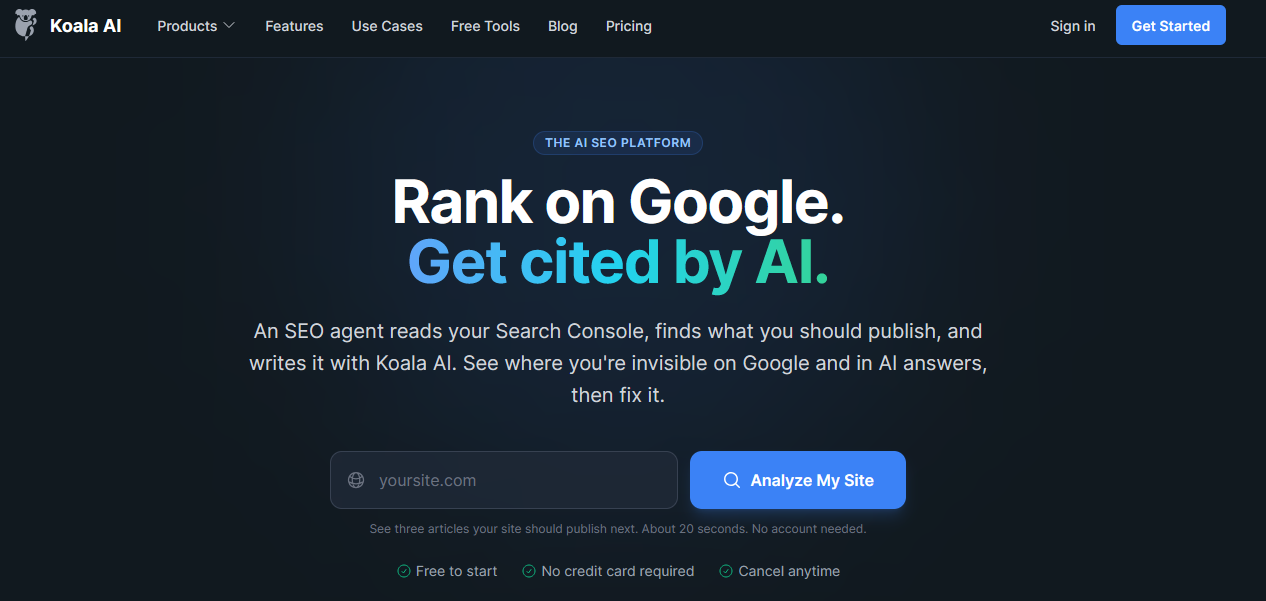
It combines KoalaWriter with tools for research, internal linking, images, and brand context, making it useful for marketers who want to move from keyword research to published content in one workflow.
Pros
Built specifically for SEO and content creation
Real-time research and SERP-based content generation
Includes AI writing, images, internal linking, and publishing tools
Brand DNA helps keep content aligned with a business
Cons
More expensive than basic AI writing tools
Higher-volume plans can become costly for smaller teams
Pricing plans: Essentials is \(9/month with 15,000 KoalaWriter words. Professional is \)49/month with 100,000 words, while higher-volume plans are available for larger content operations. A free trial includes 5,000 words and 25 chat credits.
Who is it for: SEO professionals, affiliate marketers, publishers, and content teams that want AI writing and SEO workflows in one platform.
Link: https://koala.sh/
NEURONwriter
NEURONwriter is an AI-powered content optimization platform that helps marketers research keywords, analyze competitors, create content, and optimize pages for traditional search and AI search.
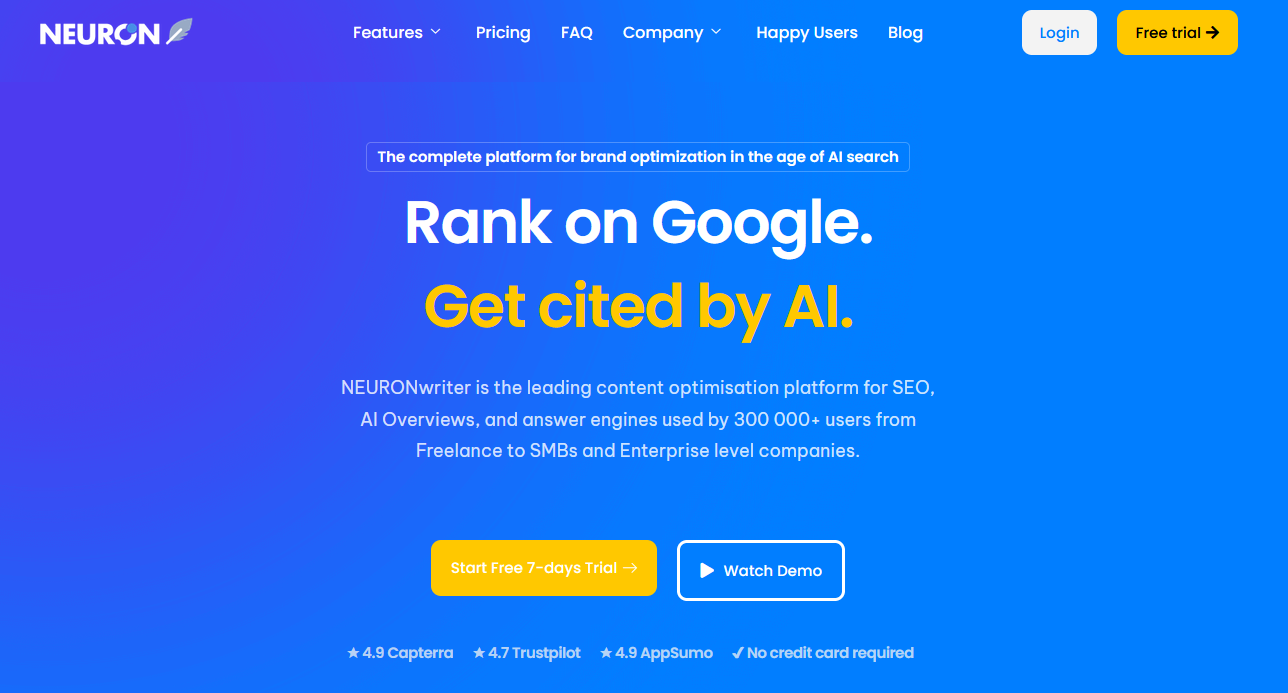
It combines NLP-based content optimization with AI writing tools and AI visibility features, helping content teams create pages designed for Google as well as AI-generated search results.
Pros
Combines SEO content optimization with AI writing
Supports optimization for Google, AI Overviews, ChatGPT, and Perplexity
Provides competitor analysis, content scoring, and keyword recommendations
Integrates with Google Search Console and WordPress on higher plans
Cons
More SEO-focused than general-purpose AI writing tools
Advanced features require higher-tier plans
Pricing plans: Bronze starts at \(23/month or \)19/month when billed annually. Silver is \(45/month, Gold is \)69/month, Platinum is \(93/month, and Diamond is \)117/month. Annual billing reduces the monthly equivalent by around 20%.
Who is it for: SEO professionals, content writers, agencies, and businesses that want to combine AI content generation with SEO and AI search optimization.
Link: https://neuronwriter.com/
Rytr
Rytr is an AI writing assistant that helps marketers create blog content, marketing copy, social media posts, emails, and other short-form content.
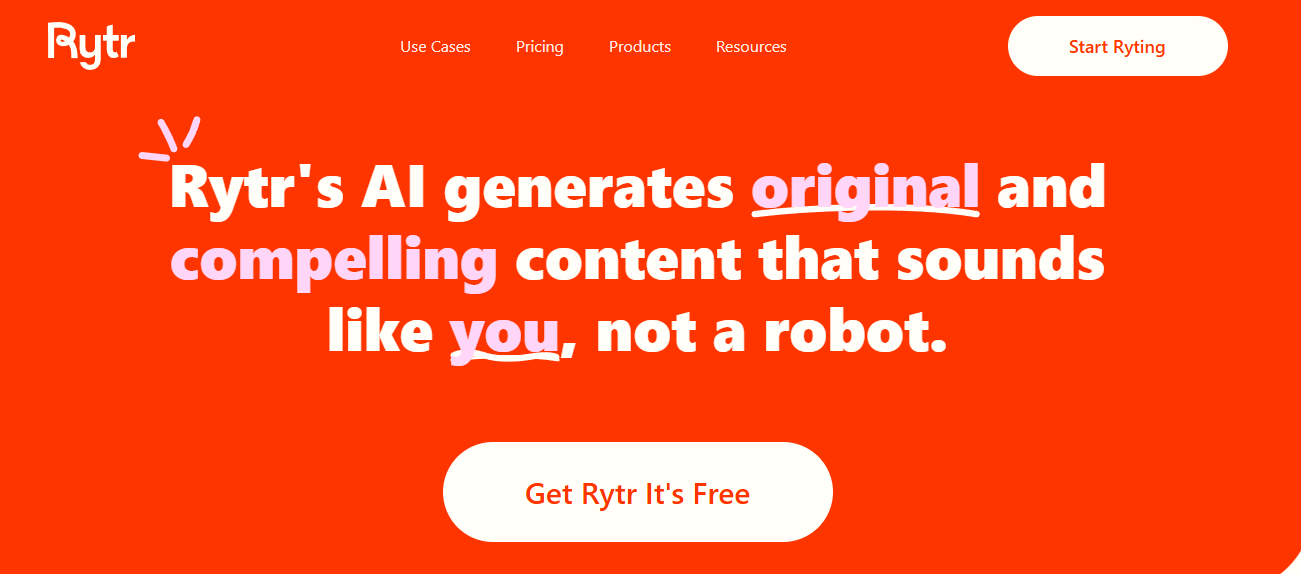
It focuses on fast content generation with predefined use cases, writing tones, tone-of-voice matching, and support for multiple languages, making it a simple option for marketers who need copy without a complex SEO workflow.
Pros
Simple and quick for generating marketing copy
Supports 40+ use cases and 20+ writing tones
Includes plagiarism checking on paid plans
Chrome extension makes it easy to use across different websites
Cons
Less focused on SEO optimization than specialized SEO platforms
Free plan is limited to 10,000 characters per month
Pricing plans: Free is \(0/month. Unlimited is \)7.50/month with unlimited generations and one personalized tone of voice. Premium is $24.16/month with multiple tone profiles, 40+ languages, and 100 plagiarism checks per month.
Who is it for: Freelancers, marketers, and small teams that need a simple AI writing assistant for everyday marketing copy.
Link: https://rytr.me/
Jasper
Jasper AI is a marketing-focused AI writing platform that generates long-form content, ad copy, and campaign assets while holding to a brand voice you train it on.
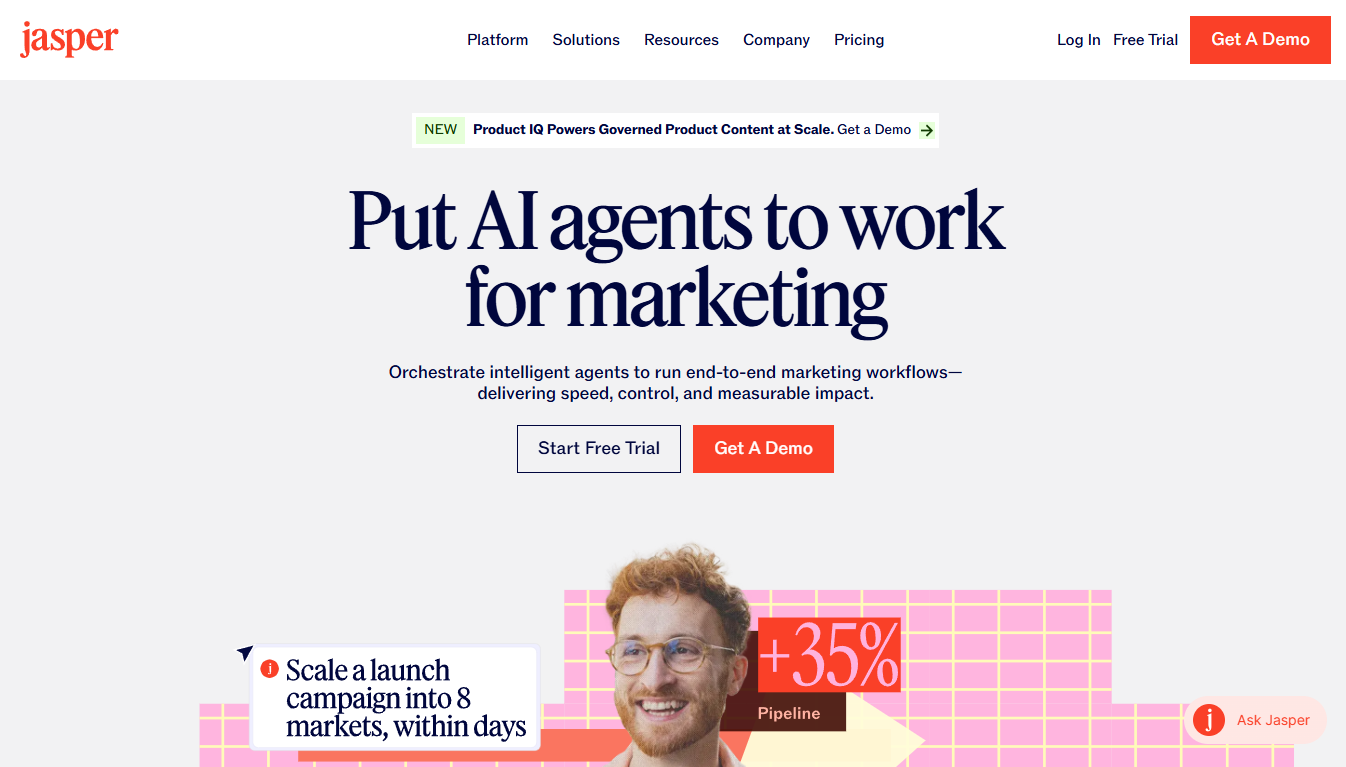
It promotes itself as the AI purpose-built for marketing strategy teams, with 100+ agents and templates for specific marketing formats.
Pros
Brand voice and memory features keep output on-brand
Marketing-specific templates and campaign workflows
Integrates with SEO and other marketing tools
Cons
Higher price point than general writing tools
Output still needs a human edit for facts and nuance
Pricing plans: Creator starts at \(49/month and Pro at \)69/seat/month, with Business on custom pricing. For a 3-seat Pro team, that is $69 per person per month.
Who is it for: Content and copywriting teams that publish at volume and need brand consistency across many writers.
Link: https://www.jasper.ai/
Best AI marketing tools for social media (5 AI tools)
AI marketing tools for social media fall into two categories: content creation and scheduling, and listening to user feedback. On the content creation side, these tools draft captions, suggest optimal posting times, and queue content across networks from a single calendar. On the listening side, they track mentions, sentiment, and trends to measure campaign performance.
Brand24
Brand24 is an AI social listening and media monitoring tool that tracks mentions across social, news, blogs, and podcasts, then scores sentiment and flags spikes in real time.
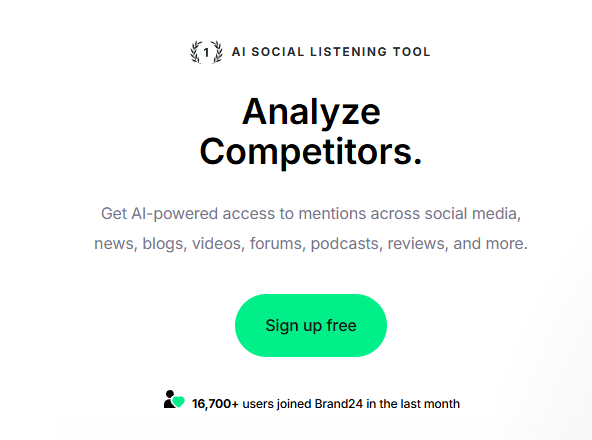
It promotes itself as the affordable way to know what people say about your brand the moment they say it.
Pros
Accessible pricing compared to enterprise listening tools
Real-time alerts and AI sentiment analysis
Clean reporting for stakeholders
Cons
Keyword and mention limits on lower tiers
Less publishing functionality than full management suites
Pricing plans: Individual starts around \(199/month (\)149 to $199 depending on billing), with Pro tiers scaling to $599/month.
Who is it for: Small to mid-sized teams that want serious social listening and reputation monitoring without an enterprise contract.
Link: https://brand24.com/
Brandwatch by Cision
Brandwatch (by Cision) is a consumer intelligence and social media management platform that uses AI to track billions of online conversations, measure sentiment, and manage publishing across accounts.
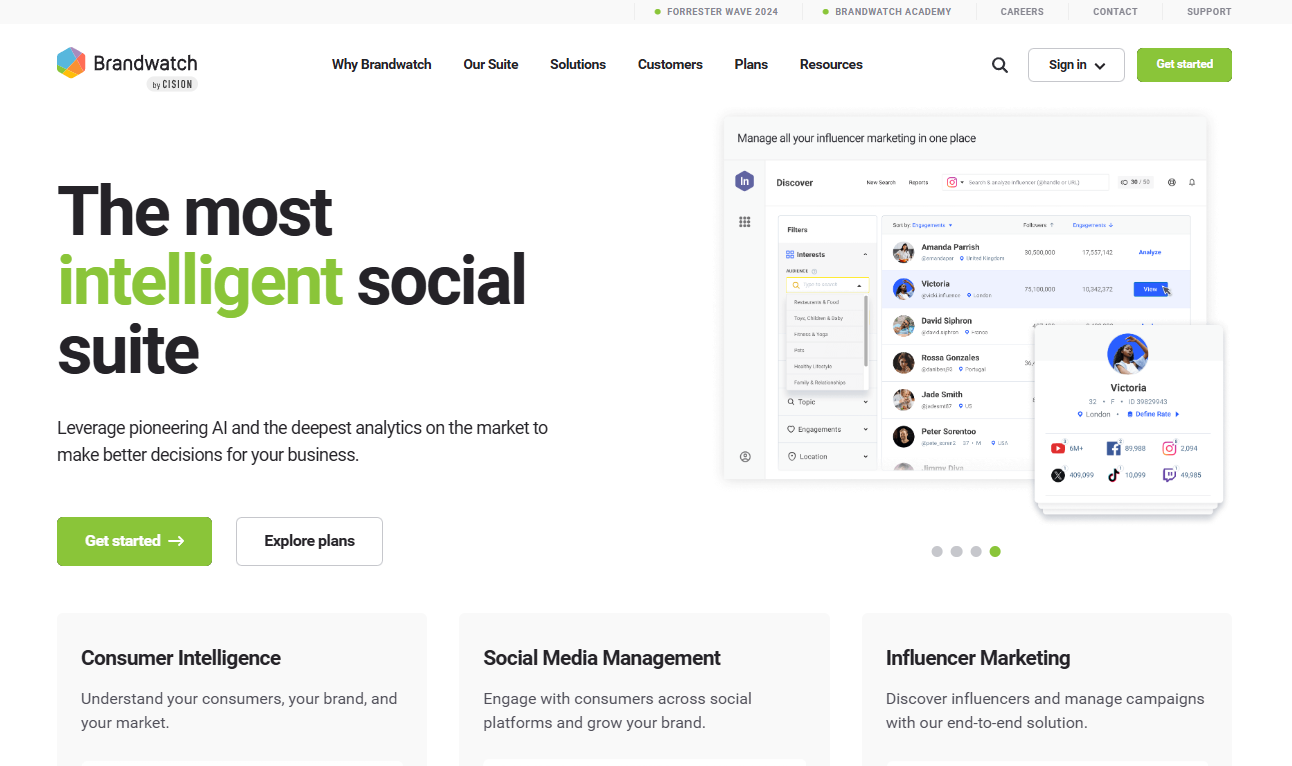
It promotes itself as the enterprise choice for understanding your audience, combining deep social listening with a full management suite.
Pros
Massive data coverage across social, news, blogs, and forums
AI-driven sentiment and trend analysis
Combines listening with scheduling and engagement
Cons
Enterprise pricing puts it out of reach for small teams
Depth means a steeper onboarding
Pricing plans: Custom pricing, with reported entry points around $800 to $3,000/month depending on the solution and seats.
Who is it for: Enterprise brands and agencies that need to understand and empower AI driven audience segmentation.
Link: https://www.brandwatch.com/
BuzzSumo
BuzzSumo is a content research and data integration platform that uses AI to surface top-performing content, trending topics, and relevant influencers in any niche.
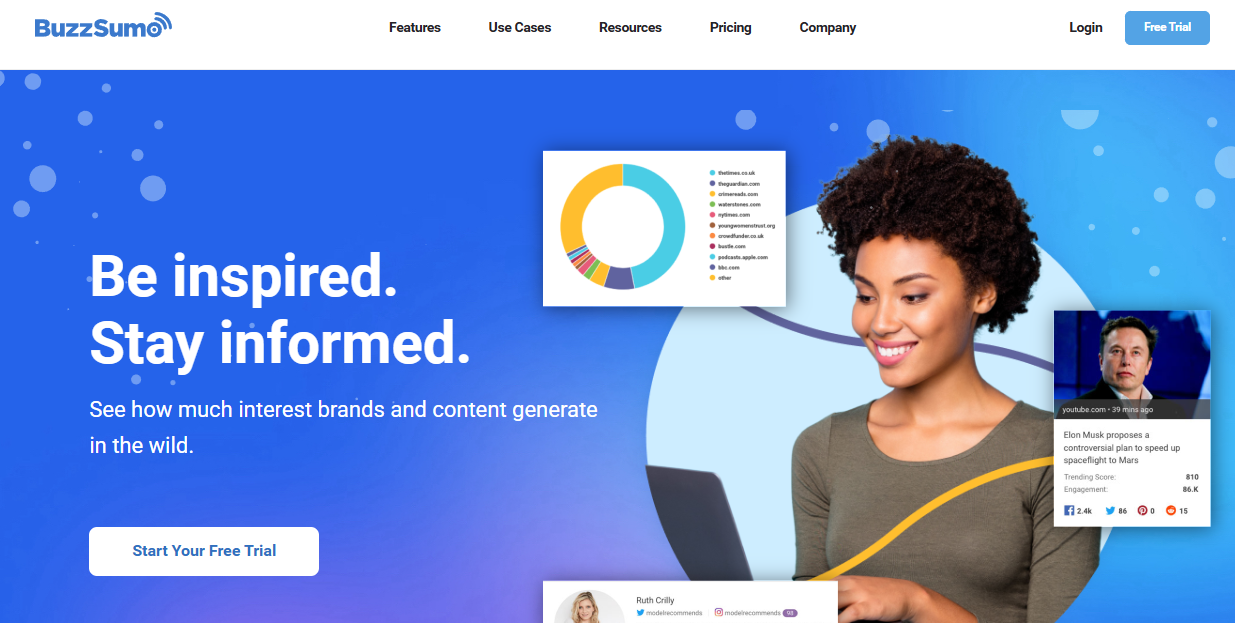
It promotes itself as the tool that shows you what content works before you create your own.
Pros
Fast content and topic discovery
Influencer identification and outreach data
Trend and question research for content planning
Cons
Focused on research rather than publishing
Higher tiers needed for full data access
Pricing plans: Paid plans start in the mid-tier range and scale by features and users.
Who is it for: Content and social marketers who want to base their calendar on what already earns engagement in their space.
Link: https://buzzsumo.com/
SocialBee
SocialBee is a social media scheduling tool that uses AI to generate posts, recycle evergreen content, and organize your calendar by content category.
It promotes itself as the smart scheduler for small businesses that want a steady, varied posting cadence without daily effort.
Pros
Category-based scheduling keeps content balanced
AI post generator and content recycling
Affordable for solopreneurs and small teams
Cons
Lighter on deep analytics and listening
Smaller AI integration set than the big suites
Pricing plans: Paid plans start at a low monthly rate per workspace, with tiers based on accounts and users.
Who is it for: Solopreneurs and small marketing teams that want consistent, organized posting on a budget.
Link: https://socialbee.com/
Hootsuite
Hootsuite is a social media management platform whose AI drafts captions, recommends best post times, and now can analyze data and performance across every connected account.
It promotes itself as the command center for social teams, letting you plan, publish, and report from one calendar.
Pros
Manages many networks from a single dashboard
AI caption writer and optimal-time suggestions for social media posts
Solid analytics and team collaboration features
Cons
Per-seat pricing adds up for larger teams
Advanced listening sits in higher tiers
Pricing plans: Standard starts at \(99/month, Professional around \)149/month, and Team plans from \(249/month. For a 3-person team on Team, that is roughly \)83 per person per month.
Who is it for: Social and marketing efforts that manage multiple accounts and want scheduling, engagement, and reporting in one place.
Link: https://www.hootsuite.com/
Top 5 AI tools for marketing automation
AI marketing automation tools take over repetitive tasks such as sending follow-up emails, moving leads between stages, syncing data across apps, and triggering campaigns based on behavior. Rather than clicking through the same steps daily, you set a goal once, and the tool runs it while adjusting to changes in customer behavior.
HubSpot
HubSpot is an all-in-one marketing, sales, and service platform whose AI layer, Breeze, powers content generation, lead scoring, and workflow automation across the whole customer lifecycle.
It promotes itself as the single source of truth for your funnel, connecting email, ads, landing pages, and CRM data so automations fire on complete customer context rather than one channel's data.
Pros
Deep, mature automation tied directly to a full CRM
AI features spread across marketing, sales, and service
Large integration ecosystem and strong documentation
Cons
Professional tier gets expensive fast, plus mandatory onboarding fees
More platform than a small team needs for basic automation
Pricing plans:
Marketing Hub Professional starts at \(890/month with a one-time \)3,000 onboarding fee. A Starter tier begins near \(20/user/month. For a 5-person team on Professional, that lands around \)178 per person per month before onboarding.
Who is it for: Mid-market and enterprise marketing teams that want automation, CRM, and reporting in one system and can justify the price with pipeline volume.
Link: https://www.hubspot.com/
Zapier
Zapier is a no-code automation tool that connects your apps and now uses AI to build and run multi-step workflows, called Zaps, across thousands of services.
It promotes itself as the connective tissue of your stack, letting a form entry, a Slack alert, a spreadsheet row, and an email all trigger each other without a developer.
Pros
Connects to 7,000+ apps, more than almost any competitor
AI features help draft and troubleshoot workflows in plain language
Genuinely no-code, so marketers set it up themselves
Cons
Task-based pricing climbs quickly with heavy usage
Complex logic can get fiddly to debug
Pricing plans:
Free tier available. The Professional plan starts at \(19.99/month billed annually for 750 tasks, with Team plans from roughly \)69/month.
Who is it for: Marketers and small teams who want to stitch their existing tools together and kill manual copy-paste work without writing code.
Link: https://zapier.com/
ActiveCampaign
Active Campaign is an email marketing and automation platform whose AI predicts send times, wins back at-risk contacts, and generates campaign content, all tuned for behavior-driven customer journeys.
It promotes itself as customer experience automation, meaning every email, SMS, and follow-up adapts to what each contact does.
Pros
Powerful visual automation builder with predictive AI
Combines email, SMS, and CRM in mid-tier plans
Strong deliverability reputation
Cons
Learning curve on advanced automations
Contact-based pricing grows with your list
Pricing plans:
Marketing plans start around $15/month for small lists and scale with contact count and features.
Who is it for: Small to mid-sized teams that live in email and SMS and want automations that react to individual behavior, not just batch sends.
Link: https://www.activecampaign.com/
Klaviyo
Klaviyo is a marketing automation platform built for ecommerce, using AI to predict customer lifetime value, forecast churn, and personalize email and SMS at the individual level.
It promotes itself as the data-first choice for online stores, pulling directly from your store data to trigger the right message at the right moment.
Pros
Deep ecommerce integrations, especially Shopify
Predictive analytics baked into segmentation
AI-generated subject lines and send-time optimization
Cons
Priced for ecommerce, less fit for other models
Costs rise with profile count
Pricing plans:
Free up to 250 contacts, then paid plans scale by number of profiles and channels.
Who is it for: Ecommerce brands that want revenue-focused email and SMS automation driven by store and purchase data.
Link: https://www.klaviyo.com/
4 Best AI marketing tools for image and video creation
AI marketing tools for image and video creation allow teams without graphic designers or video editors to produce polished creative content. These tools can generate images from text prompts, edit videos based on transcripts, remove backgrounds with a single click, and produce human-sounding voiceovers.
ElevenLabs
ElevenLabs is an AI voice generation platform that produces natural, expressive voiceover and cloned voices in dozens of languages.
It promotes itself as the most lifelike AI audio available, aimed at video, ad, and content teams that need voiceover without a booth.
Pros
Highly realistic, expressive voice output
Voice cloning and multilingual support
Simple API for scaled audio production
Cons
Character-based limits on lower tiers
Voice cloning raises consent and usage considerations
Pricing plans: Free tier available, with paid plans starting at a low monthly rate and scaling by character count.
Who is it for: Video and content teams that need professional voiceover for ads, explainers, and social clips at scale.
Link: https://elevenlabs.io/
Descript AI
Descript is an AI audio and video editor that lets you edit recordings by editing the transcript, plus features like filler-word removal, voice cloning, and studio-quality sound.
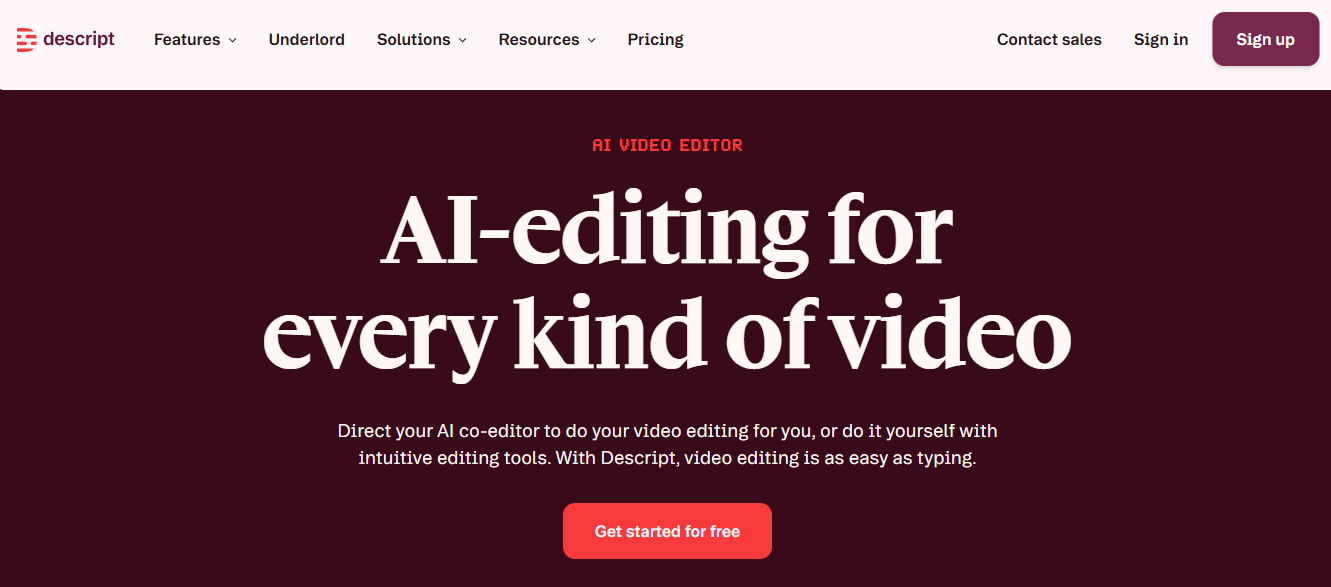
It promotes itself as editing made as easy as editing a doc, aimed at podcasters, video teams, and anyone who would rather not touch a timeline.
Pros
Edit video and audio by editing text
AI removes filler words and background noise automatically
Overdub voice cloning for quick corrections
Cons
New usage model meters media minutes and AI credits
Complex projects can strain the transcript-first approach
Pricing plans: Free tier available. Hobbyist is \(16/month billed annually, and Creator is around \)24 to $35/month depending on billing.
Who is it for: Content teams, podcasters, and video creators who want fast, transcript-based editing without pro editing software.
Link: https://www.descript.com/
Canva
Canva is a design platform whose AI suite generates images, writes copy, creates Meta and Google ads, resizes assets across formats, and removes backgrounds, all inside a drag-and-drop editor anyone can use.
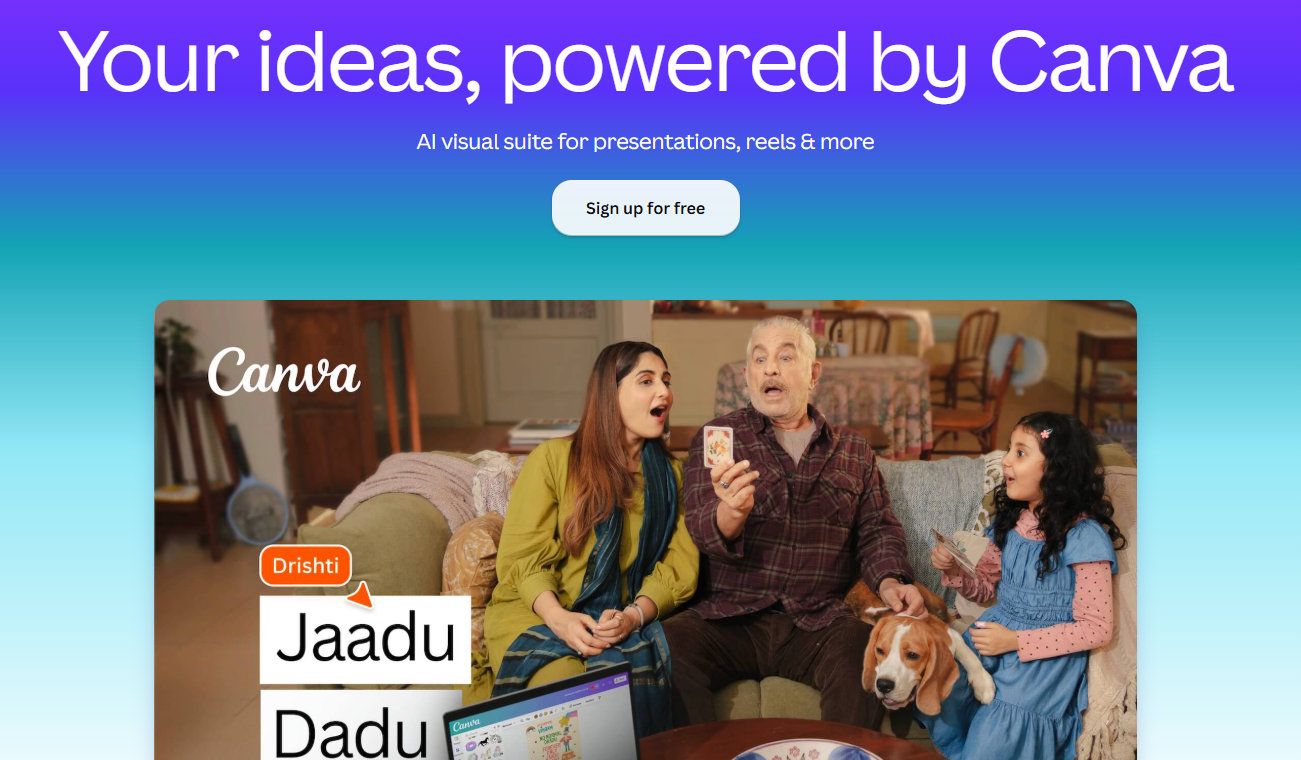
It promotes itself as the design tool that turns non-designers into producers, wrapping generative AI around templates so a marketer ships a full campaign's visuals without opening Photoshop.
Pros
Huge template library plus AI generation in one place
Magic Resize adapts one design to every channel instantly
Brand kits keep team output on-brand
Cons
Generative features have monthly credit limits
Not built for advanced, pixel-level design work
Pricing plans: Free tier available. Pro is around \(15/month for one person, and Teams runs about \)10/user/month with a 3-seat minimum.
Who is it for: Small marketing teams and solo marketers who need to produce a steady stream of on-brand visuals without a dedicated designer.
Runway
Runway is an AI video generation and editing platform that creates video from text or image prompts and offers advanced editing tools like object removal and motion tracking.
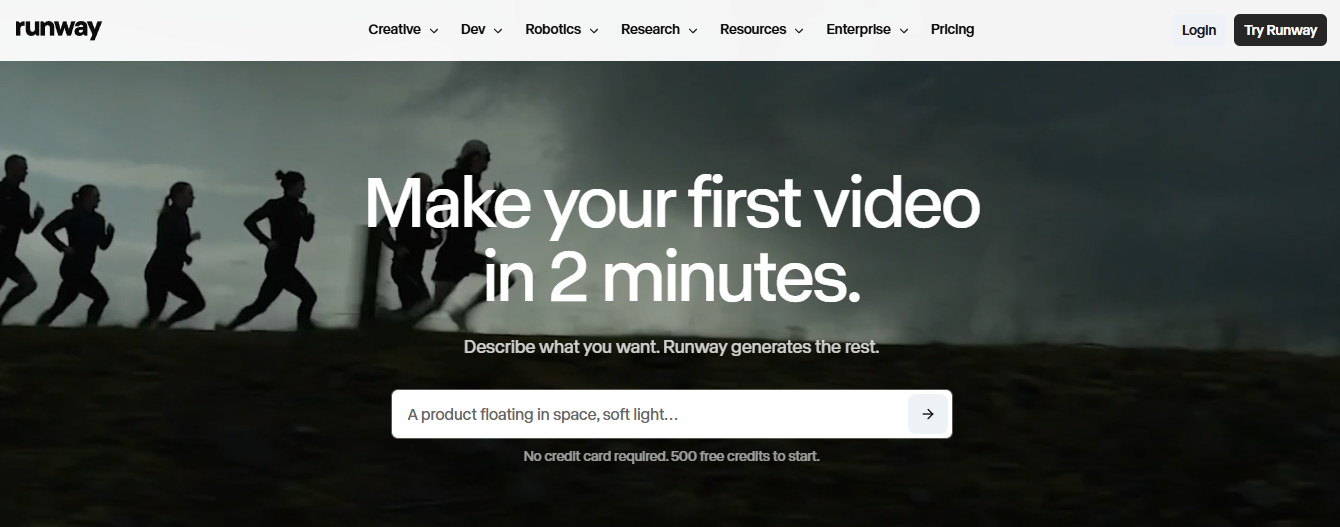
It promotes itself as the creative suite for AI-native video, aimed at teams that want cinematic output without a production crew.
Pros
Industry-leading text-to-video and image-to-video quality
Full editing toolkit alongside generation
4K export on higher tiers
Cons
Credit-metered plans limit heavy output
Learning curve for the more advanced tools
Pricing plans: Free tier with one-time credits. Standard is \(12/user/month billed annually, Pro is \)28/user/month, and Unlimited is $76/user/month.
Who is it for: Video-forward marketing teams and creators who want to generate and edit short-form video without a shoot.
8 AI marketing tools for SEO optimization
AI marketing tools analyze the top-ranking pages for a given keyword, telling you exactly what to change so your page can compete. These tools extract the terms, structure, and depth that the top-ranking pages have in common. They then score your draft against that benchmark and suggest what you should add.
Frase
Frase is an AI SEO and content optimization platform that researches top-ranking pages, helps you write in your brand voice, and scores content for both Google and AI search.
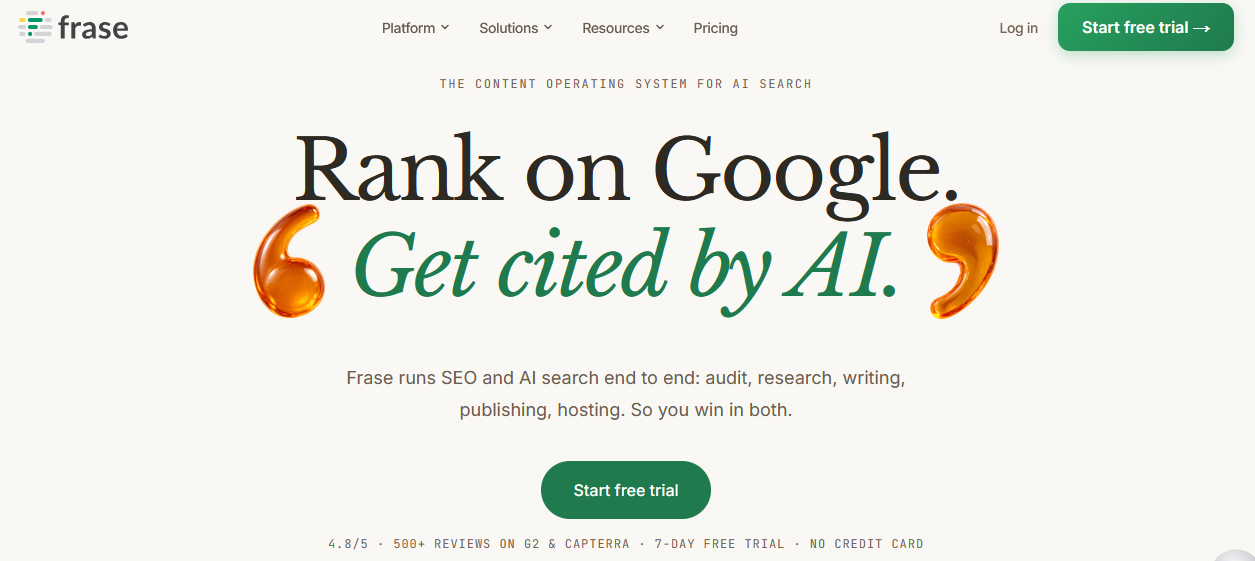
It positions itself around creating content that can rank in traditional search and get cited by AI platforms.
Pros
Real-time SEO and GEO content scoring
Researches top-ranking pages and content gaps
AI writing with brand voice support
Cons
Can be more complex than basic AI writing tools
Higher usage and team needs require higher-tier plans
Pricing plans: Plans start at $39/month when billed annually, with higher pricing for additional content, seats, and usage.
Who is it for: SEO specialists, content marketers, and teams that want to optimize content for both Google rankings and AI search visibility.
Link: https://www.frase.io/
Scalenut
Scalenut is an AI SEO and content platform that helps marketers research keywords, create articles, optimize existing pages, and track visibility across Google and AI search platforms.
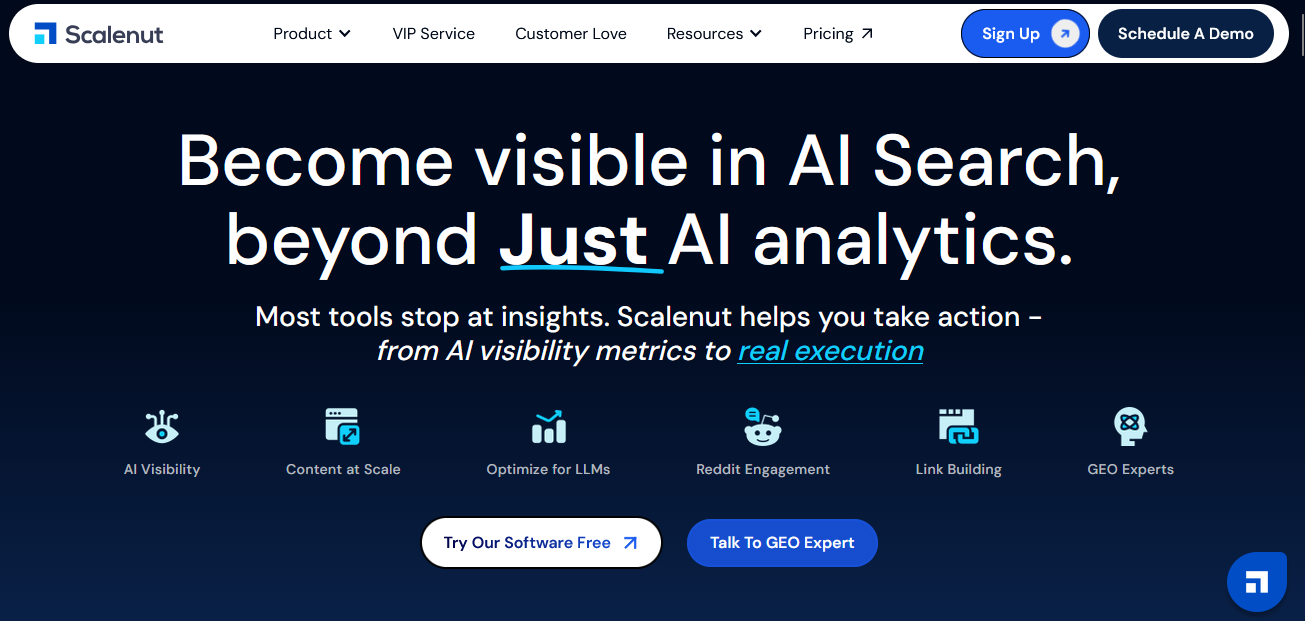
It combines content creation with Generative Engine Optimization features for marketers targeting both traditional and AI search.
Pros
AI-powered content creation with Cruise Mode
Real-time SEO and GEO content optimization
Tracks visibility across ChatGPT, Google AI Overviews, and Perplexity
Cons
Can feel feature-heavy for smaller content teams
Higher AI visibility and content limits require more expensive plans
Pricing plans: Starter is \(59/month, Plus is \)89/month, and Professional is $199/month. Annual plans are currently offered at discounted rates.
Who is it for: SEO teams, content marketers, agencies, and businesses that want one platform for content creation, SEO optimization, and AI search visibility.
Link: https://www.scalenut.com/
Rankability
Rankability is an SEO and AI search visibility platform that tracks how brands appear across search engines and AI platforms while helping teams research, create, and optimize content.
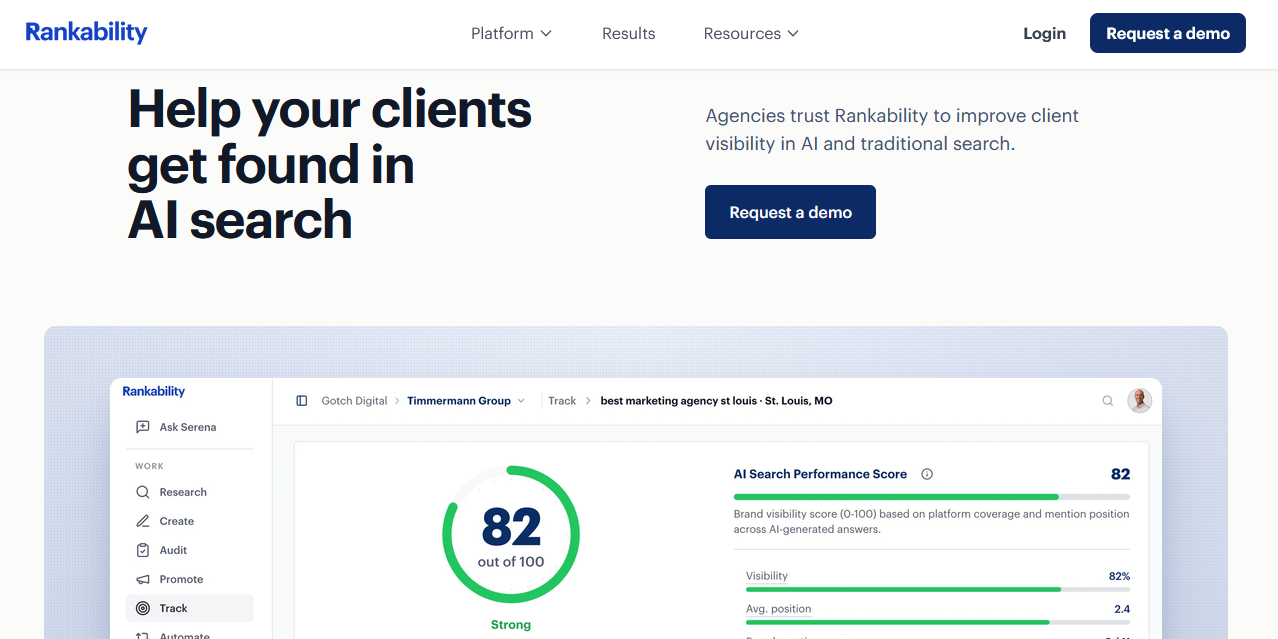
It combines traditional SEO tracking with AI mentions, citations, local search, and video visibility.
Pros
Tracks brand visibility across AI search platforms
Combines traditional SEO and AI search tracking
Includes content research, optimization, and technical audits
Unlimited seats across paid plans
Cons
More expensive than basic SEO content tools
AI search tracking limits vary by plan
Pricing plans: Starter is \(99/month, Core is \)199/month, and Team is \(399/month. Annual plans are \)990, $1,990, and $3,990 respectively.
Who is it for: SEO agencies, content teams, and businesses that want to monitor traditional rankings alongside brand mentions and citations across AI search platforms.
Link: https://www.rankability.com/
Brandwell AI
Brandwell is an AI content platform (formerly Content at Scale) built to generate long-form, SEO-optimized blog posts that read as human-written and pass AI detection.
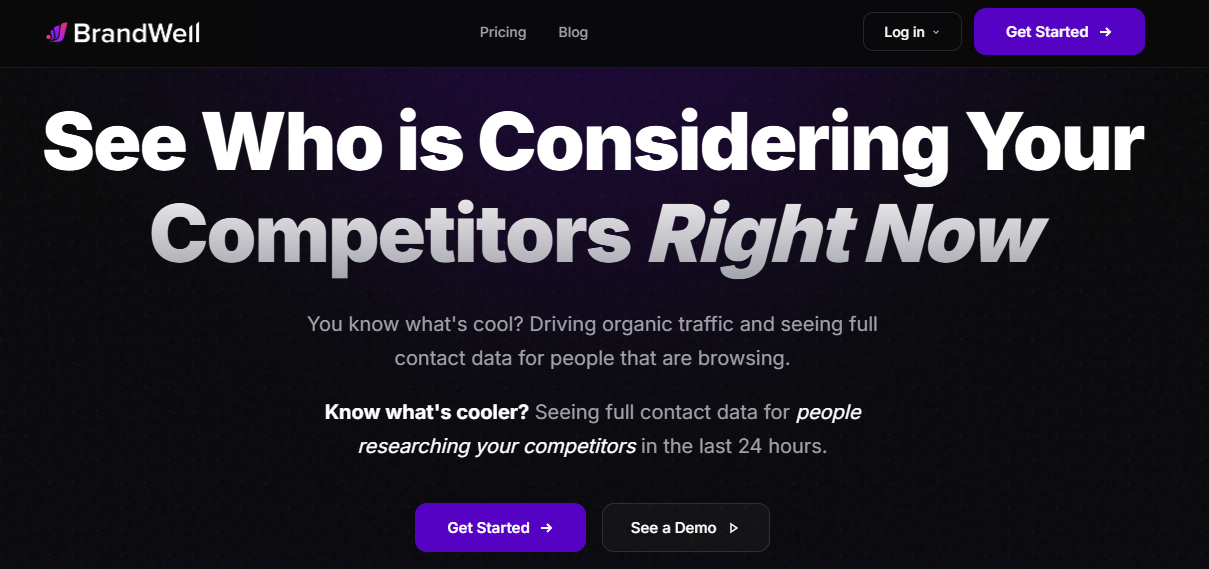
It promotes itself as the tool for producing ranking content at volume without sounding robotic.
Pros
Long-form SEO drafts with built-in optimization
Bulk content production for high-volume sites
Human-like output aimed at passing detectors
Cons
Long-form focus means less fit for short copy
Output still needs editorial review
Pricing plans: Paid plans scale by monthly content volume, starting in the mid-tier range.
Who is it for: Content-heavy sites and agencies that need SEO-optimized long-form drafts produced at scale.
Link: https://brandwell.ai/
OriginalityAI
Originality AI is an AI content detection and plagiarism tool that scores how likely text is AI-generated and flags copied passages, helping SEO teams keep content credible.
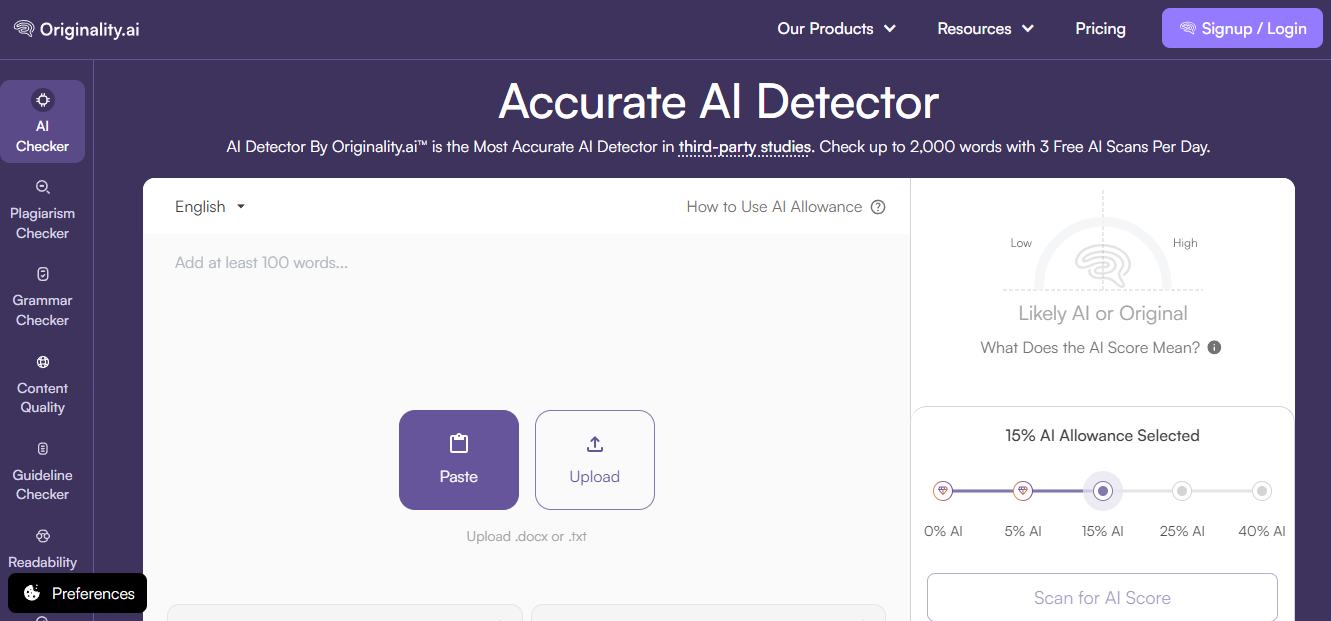
It promotes itself as the fact-checking and originality layer for teams publishing at scale.
Pros
Accurate AI-detection and plagiarism scanning
Team dashboard for reviewing many pieces
Useful for editorial QA and freelancer oversight
Reliable as far as AI content detectors go
Cons
Detection is a guide, not an absolute verdict
Narrow scope, focused on checking rather than creating
Pricing plans: Pay-as-you-go credits plus a low monthly subscription option.
Who is it for: Editors and content managers who need to verify originality and quality across a large volume of published work.
Link: https://originality.ai/
Semrush ContentShake AI
ContentShake AI is Semrush's (An Adobe Company) AI writing and SEO tool that combines topic research, competitor analysis, and optimized drafting in one workflow.
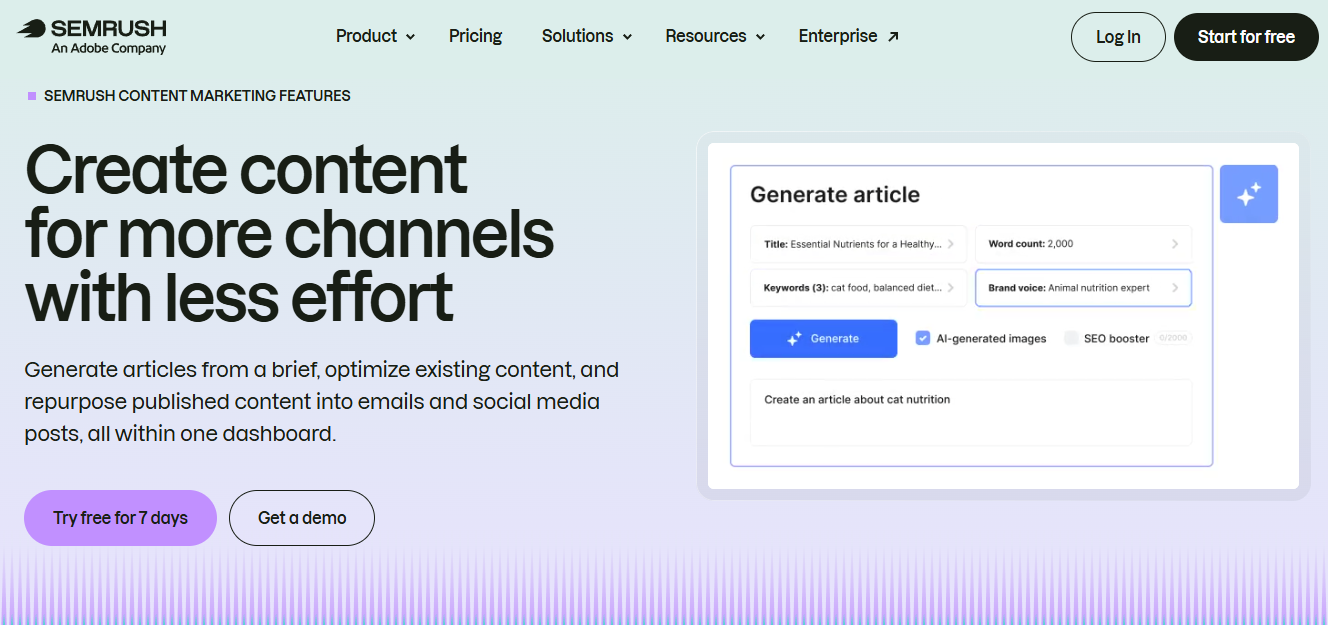
It promotes itself as the fast lane from keyword to published, ranking-ready blog post.
Pros
Research, writing, and optimization in one tool
Built on Semrush data
Beginner-friendly guided workflow
Cons
Less depth than dedicated optimization tools for advanced users
Best value tied to the Semrush ecosystem
Pricing plans: Free trial available, with a paid plan around $60/month for unlimited AI content plus optimization.
Who is it for: Small teams and solo marketers who want research, writing, and SEO in a single, guided workflow.
Clearscope
Clearscope is an SEO content optimization platform that grades content against search intent using AI-driven term analysis and keyword discovery.
It promotes itself as the premium, accuracy-first choice for teams that take content quality seriously.
Pros
Accurate, intent-focused term recommendations
Clean grading scale that is easy for writers to follow
Reliable keyword discovery reports
Cons
Higher entry price than most competitors
Fewer all-in-one features beyond optimization
Pricing plans: Essentials starts around \(129/month (or \)99 with discount), with Business near $399/month.
Who is it for: Content teams and agencies that prioritize accuracy and are willing to pay a premium for it.
Surfer
Surfer SEO is a content optimization platform that scores your writing in real time against top-ranking pages and tells you which terms, headings, and length will help you rank.
It promotes itself as the tool that takes the guesswork out of on-page SEO, and every serious content team knows the name.
Pros
Real-time content score as you write
Clear term and structure recommendations
Integrates with Google Docs and AI writers
Cons
Over-optimizing to the score can hurt readability
Credit and article limits on lower tiers
Pricing plans: Essential is around $79 to $99/month, with higher tiers up to roughly $399/month.
Who is it for: Search engine optimization specialists and content marketers who want data-backed guidance on every page they publish.
Top 4 AI tools for marketing analytics & consumer insights
AI marketing tools for analytics and consumer insights transform raw, multichannel data into actionable decisions. These tools compile data from your ads, emails, website, and social media into a single view. Then, they use AI to summarize what happened, explain why it happened, and suggest next steps.
Adobe Experience Platform
Adobe Experience Platform is an enterprise customer data and actionable insights platform that unifies data across channels and uses AI to build real-time customer profiles and predict behavior.
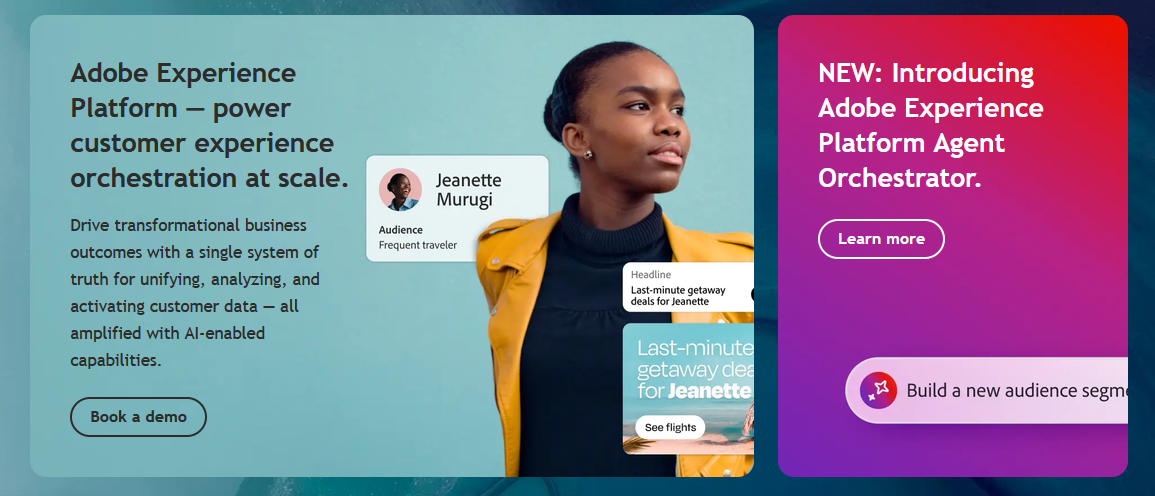
It promotes itself as the foundation for personalized experiences at enterprise scale.
Pros
Real-time unified customer profiles across channels
Predictive AI for segmentation and personalization
Deep integration with the Adobe marketing suite
Cons
Enterprise-only complexity and cost
Requires significant setup and data governance
Pricing plans: Custom enterprise pricing based on data volume and modules.
Who is it for: Large enterprises that need a unified customer data foundation to power personalization at scale.
Link: https://business.adobe.com/products/experience-platform/adobe-experience-platform.html
Salesforce Customer 360
Salesforce Customer 360 connects sales, service, marketing, and commerce data into one view, with Einstein AI generating insights and next-best-action recommendations.
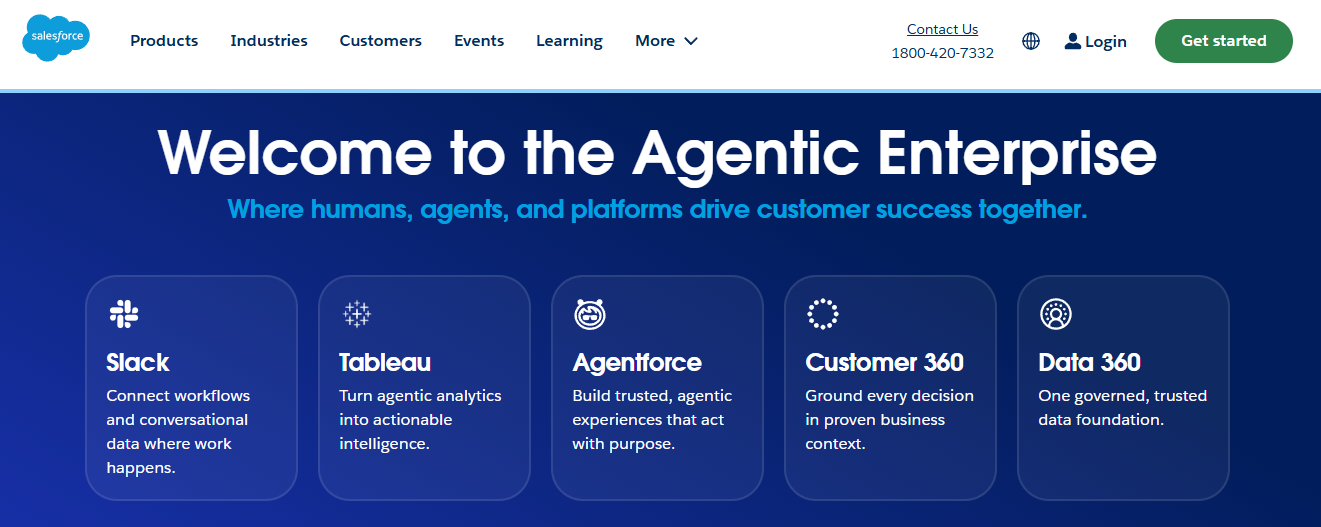
It promotes itself as the single, complete picture of every customer across the business.
Pros
Unifies customer data across every Salesforce cloud
AI-driven predictions and recommendations
Massive integration and app ecosystem
Cons
Full value requires broad Salesforce adoption
Complex and costly for smaller teams
Pricing plans: Priced per cloud and per user, custom based on the products you combine.
Who is it for: Organizations already invested in Salesforce that want a unified, AI-enriched view of the customer.
Triple Whale
Triple Whale is an ecommerce analytics platform that centralizes ad, store, and attribution data, using AI to summarize performance and recommend where to spend next.
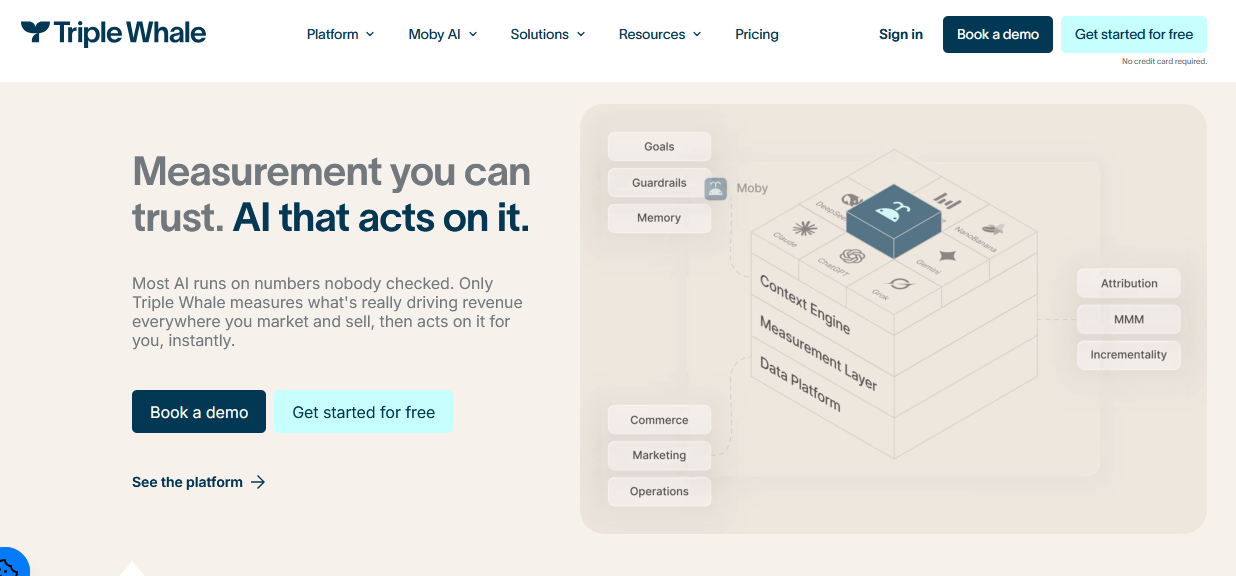
It promotes itself as the profit-focused command center for direct-to-consumer brands.
Pros
Consolidates ad and store data with AI attribution
Clear, real-time profit and performance dashboards
Built specifically for ecommerce decision-making
Cons
Focused on ecommerce, less fit for other models
Attribution accuracy depends on clean data setup
Pricing plans: Paid plans scale by ad spend and store revenue, starting in the mid-tier range.
Who is it for: Direct-to-consumer and ecommerce brands that want profit-first analytics across their ad and store data.
Tableau
Tableau is a data visualization and analytics platform whose AI layer, Einstein, surfaces trends, forecasts outcomes, and explains data in natural language.
It promotes itself as the standard for turning complex data into interactive dashboards anyone in the business can read.
Pros
Connects to almost any data source
Powerful, flexible, interactive dashboards
AI-driven explanations and forecasting
Cons
Priced and designed for analysts, not casual users
Real setup and learning investment required
Pricing plans: Viewer, Explorer, and Creator seats are priced per user per month, with Creator seats at the top of the range around $75/user/month.
Who is it for: Data-forward marketing and analytics teams that need powerful, shareable dashboards across the organization.
How to choose the right AI marketing tool for your business
Choosing the right AI marketing tool comes down to matching the tool to your goal, your team, and your existing stack. Work through these five steps before choosing a tool.
Selecting the right AI marketing tool requires matching it to your goals, team, and existing technology. Follow these five steps before selecting a tool:
First, define your goal. Decide what you want to improve before shopping around. More content? Better attribution? Faster campaign launches? A tool that solves a problem you don't have is just another subscription.
Evaluate your team's technical level. Match the tool to the people using it. A no-code platform is ideal for a lean marketing team, while a data-heavy analytics suite requires someone who is comfortable with dashboards and setup.
Check how it fits your existing stack. Confirm that the tool connects to your existing tools. A writing tool that won't plug into your CMS or an analytics tool that ignores your ad platform creates more manual work than it eliminates.
Calculate the real per-person cost. Divide the plan price by the number of people who will use it and factor in onboarding fees. A $500-per-month platform for a team of five is very different from the same price for two seats.
Test before you commit. Use the free trial for real work, not a demo task. A tool only proves its worth with your briefs, data, and deadlines.
Read more relevant blog posts on Best AISO Website:


![How to Make a YouTube Video That AI Cites [2026]](https://cdn.hashnode.com/uploads/covers/5f8dd1613432643d6b92c06c/7f3a5b86-fb69-4b30-80a9-07a8b1207596.jpg)